That Muddy Bass Isn't Your Imagination: Inside Oxford's Losing Battle With Its Own Venues

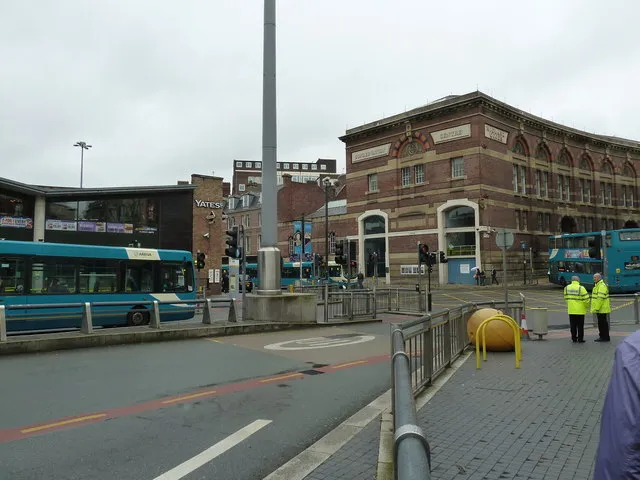
Photo: Sgroey, CC BY-SA 4.0, via Wikimedia Commons
Stand at the back of half the venues on Cowley Road during a sold-out gig and you'll notice something odd. The kick drum has vanished. The vocals are fighting a ghost. The low-end, instead of hitting you in the chest, has decided to pool somewhere near the bar and sulk.
This is Oxford — a city that gave the world Radiohead, Foals, Ride, Glass Animals — and yet, if you're honest about it, a fair chunk of its gig rooms sound like a rehearsal space with a drinks licence. The question is why. The more interesting question is who's trying to fix it, and how little thanks they get.
The Buildings Are Winning
Start with the obvious culprit: the buildings themselves. Oxford's venues are, almost by definition, old. Victorian warehouses, Edwardian social clubs, chapels and churches that were never meant to house a dubstep night. The very character that makes them atmospheric — the exposed brick, the high ceilings, the listed walls nobody's allowed to touch — is acoustic poison.
Hard, parallel surfaces mean standing waves: certain bass frequencies literally cancel each other out in specific spots and double up in others. That's why the low-end can be perfect by the mixing desk and a shapeless rumble two metres to the left. And in the converted churches? All that glorious height and stone gives you reverb tails long enough to smudge a snappy drum sound into porridge.
"You can't EQ a room," as one veteran Oxford engineer put it to me over a pint, with the weariness of a man who's had this argument a hundred times. "I can mix round it. I can't fix it. The fix is treatment, and treatment costs money, and the landlord would rather spend it on another lager tap."
The Budget Problem Nobody Talks About
Here's the uncomfortable arithmetic. Grassroots venues in Oxford are squeezed from every direction — business rates, licensing costs, the slow death of the walk-in trade. Acoustic treatment is invisible. Nobody buys a ticket because the room has broadband absorbers. So when the money gets tight, the sound system upgrade gets postponed. Again.
Meanwhile, audiences have changed. A generation raised on studio-polished streaming mixes and festival-grade rigs notices when a mix is mush, even if they can't articulate why. They just feel less. They leave earlier. They tell their mates the gig was "a bit off" — and the venue never learns it was the PA, not the band.
The Quiet Fixers
But it isn't all doom. There's a small network of engineers and promoters quietly waging war on bad sound, and they rarely get their names on the poster.
Some are pushing for smarter deployment of what's already there — proper system tuning, sub placement that works with the room's nodes rather than against them, drum risers positioned to break up the worst reflections. Others are lobbying promoters to book bands suited to the room: the 200-capacity brick box that murders a bass-heavy three-piece might genuinely flatter a folk act or a post-punk band who thrive on a bit of chaos in the reflections.
And a few are having the slow, unglamorous conversations with venue owners about grants — the Music Venue Trust, local councils, Arts Council pots — that could fund treatment without threatening anyone's margins. Progress is measured in months, not nights.
What You Can Actually Do
If you're a punter, you have more power than you think. Stand where the mix is good — usually centre, a few rows back from the desk — and if the sound's rough, mention it to the venue rather than just the band. Engineers can't fix what they don't know about, and most genuinely want to.
If you're in a band, do a proper line check. Too many local acts sound muddy not because of the room but because of a guitar amp cranked to eleven to "fill the space" — which, in a reflective room, just adds more sludge for the engineer to fight.
Oxford's bands deserve rooms that let them be heard. Its audiences deserve more than vibes and guesswork. And its engineers — the unsung, ear-fatigued professionals of the Cowley Road circuit — deserve someone to say it out loud: the best nights in this city happen despite the buildings, not because of them.
Next time the bass disappears, spare a thought for the person behind the desk, quietly fighting a Victorian wall. They've been fighting it for years. They'll fight it again tomorrow.