Who Actually Gets the Ticket Money? Following a Fiver Through an Oxford Gig
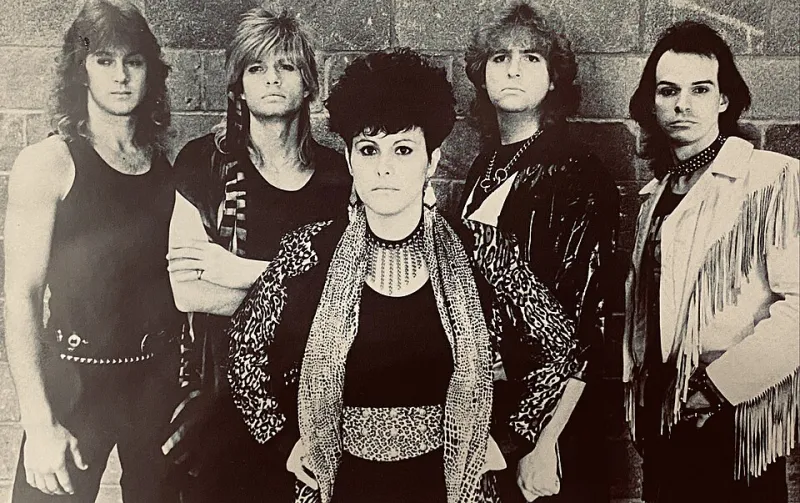
Photo: Dthomas246, CC BY-SA 4.0, via Wikimedia Commons
There's a moment at every gig in this city — usually around the third song of the opening act, when you're wedged against a radiator with a warm pint — where nobody is thinking about money. That's the point of a gig, isn't it? You've paid in, the transaction is done, the music starts.
But we got curious. We asked a handful of Oxford promoters, one booking agent who works the regional circuit, and a couple of artists who've rolled through town on midweek tours, and we asked them to walk us through the money. Not in vague terms — actual numbers, from a real-ish night at a 150-cap room. What follows is a composite, but every figure in it is one someone in the Oxford scene has quoted us directly.
The £12 Ticket, Itemised
Let's say a touring four-piece draws 90 people to a Wednesday night above a Cowley Road pub. Tickets are a tenner, plus the booking fee most of us grumble about, taking it to £12 all-in. Ninety tickets at £12 is £1,080 in the door. Feels like a decent night's work, doesn't it?
It isn't. Not for the band, anyway.
First off, roughly a sixth of that never reaches the venue at all. VAT takes its cut at the point of sale — the taxman is effectively the most reliable attendee at every gig in Britain, and he's on the guest list whether the show sells out or not. Then there are the booking fees that get split between the ticketing platform and, sometimes, the venue. By the time the money lands anywhere useful, that £1,080 is looking more like £850.
The Bar Always Wins
Here's the bit that surprises people outside the industry: at most small shows on a hire or guarantee-plus deal, a chunk of the band's fee comes straight back out of their own pocket — via the bar.
Some Oxford venues run a door-split arrangement where the act gets, say, 70% of ticket sales after costs, and the venue keeps everything from the bar. Others flip it: the band pays a hire fee and keeps the door entirely. Either way, the drinks till is the quiet engine of the whole operation. On a busy Wednesday, a 150-cap room can shift £700 to £900 of beer, wine and the inevitable £6.50 double G&T.
Which brings us to the comparison that made one promoter wince when we said it out loud: the venue's VAT bill on the bar alone — call it £120-£150 — can exceed what the band takes home for the entire night. Merch VAT is the same story in miniature. A band selling £200 of vinyl and tees at the back of the room hands a slice of that straight to HMRC, then packs the rest into a van that costs more to fill than they made.
The Agent's Percentage, the Drummer's Share
Suppose the band clears £400 from the door deal. If they're on a legit booking agency — the kind that actually gets them the gig in the first place — 10% goes off the top before anyone sees a penny. £360.
Split four ways, that's £90 each. Minus fuel to get to Oxford from, say, Manchester. Minus the motorway services meal. Minus the van hire if they don't own one. Minus a night in a Travelodge if the next show's too far to drive home.
"There are nights we've genuinely made less per person than the person pulling the pints," one touring guitarist told us. "And I want to be clear — she worked harder than we did. That's not a dig at the venue. It's a dig at the maths."
Why Oxford Specifically Gets Hit
Oxford has a particular problem, and it's not apathy. It's geography and demography. We're close enough to London that agents route bands here as a bonus date rather than a necessity, which means the fees on offer are bonus-date fees. Meanwhile our venues are small — brilliant, characterful, but small — so even a sellout can't generate a real payday. And our audience is brilliant at turning up for the big names and patchy on a random Tuesday for a band with three Spotify songs.
The result: bands play Oxford because they like Oxford, not because the spreadsheet works.
What Would Actually Fix It
Nobody we spoke to wanted a lecture about buying more t-shirts. The structural asks were more specific:
- Transparent splits. Several promoters argued venues should publish their standard door deals, so bands know what they're walking into.
- A cut of the bar. Controversial in venue land, but a modest percentage of drinks takings to the act is standard in parts of Europe and would transform a £90-per-head night into a survivable one.
- Audiences buying tickets earlier. Presale numbers determine support slots, guarantees and whether a band bothers stopping here at all.
- Local authorities treating venues as cultural infrastructure, the way they treat libraries, rather than as noisy pubs awaiting a noise complaint.
The Part You Can Actually Do
Turn up on a Wednesday. Buy the record at the merch stand rather than streaming it on the way home — the band keeps roughly the whole price, versus a fraction of a penny per play. Tip the sound engineer. And when a band you love announces an Oxford date, buy the ticket that week, not on the day.
The £12 you hand over doesn't go far. But it goes further than you think — and almost none of it goes where you'd hope.