The Complainometer: What a Year of Noise Complaints Says About Who Gets to Have a Night Out in Oxford
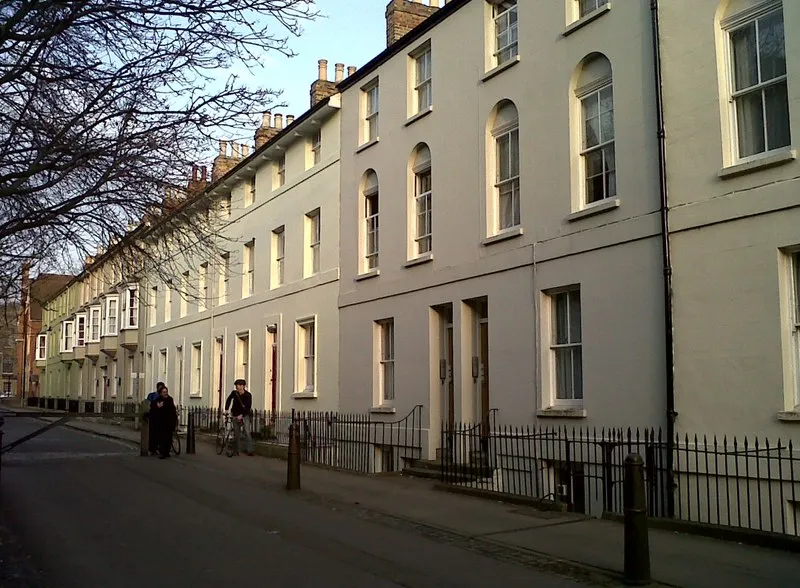
Photo: nick macneill, CC BY-SA 2.0, via Wikimedia Commons
Every city has a soundtrack. Oxford's, according to its complaint logs, is mostly a muffled bassline heard through a sash window at 1:40am.
We spent three weeks pulling together noise complaint data — some of it via FOI requests to the city council, some of it from Environmental Health response logs, some of it from promoters who keep their own records because they've learned the hard way that nobody else will. Fourteen months of grumbles, warnings and abatement notices. And tucked inside the dry bureaucratic language of 'persistent amplified sound' is a genuinely revealing map of who gets to have a night out in this city, and who gets to decide.
The Terraced Street Problem
Here's the thing about Oxford that the masterplan documents gloss over: it's a compact city with a lot of very old, very tightly packed housing. The venues people love — the low-ceilinged ones, the back-room ones, the ones with the good bookers — are almost all wedged into residential streets that were built when the loudest thing on the terrace was a argument about the parish council.
The complaint data bears this out. The venues pulling the most noise complaints aren't the big-box operations on the ring road with car parks and acoustic lobbies. They're the mid-size independents on Cowley Road, the Jericho-adjacent pubs putting on live music three nights a week, the converted chapel spaces where the walls are two feet thick but the windows are Victorian single-glazing.
One venue manager put it to us bluntly: 'We're not the loudest thing on the street. We're just the thing with a licence.'
What the Numbers Actually Show
A few patterns emerged once we normalised the data against capacity and nights open.
Complaints cluster around kick-out, not the gig. The majority of logged complaints timestamp between 11pm and 2am aren't about the music at all. They're about the smoking area, the taxi queue, the bloke recreating the gig in the street because he's just discovered the chorus is still in his head. Venues with proper exit management — marshals, staggered closing, a door staff who actually work the pavement — logged dramatically fewer follow-up complaints.
One complainant can shape a whole street. In several cases, a single household accounted for the majority of complaints against a venue. That's not to dismiss them — noise pollution is genuinely corrosive to sleep and health, and the research on this is solid. But it does mean a venue's fate can hang on one relationship, one conversation, one set of curtains twitching at the wrong moment.
Soundproofing budgets are the real map. The venues that survived complaint spikes almost universally had one thing in common: they'd spent money on the unglamorous stuff. Secondary glazing, acoustic doors, a limiter on the desk that the engineer actually respects. We heard figures ranging from £8,000 for a decent door to north of £60,000 for a full treatment. For a small independent running on door splits, that's not an expense — that's three years of existence.
The Culture Clash Nobody Planned
There's a wry irony at the heart of all this. Oxford markets itself on culture — the colleges, the choirs, the film locations. But the same terraced streets that house the venues also house the keyworkers, the postdocs, the families who moved in because it was affordable and central. Nobody's the villain here. The resident who's been up since 5am with a newborn and the student seeing their first proper band are having entirely valid experiences of the same wall.
The complaint data suggests the venues that thrive are the ones that stopped treating residents as an obstacle and started treating them as stakeholders. Guest list offers for the street. A WhatsApp group with the neighbours. Finishing loud sets by a reasonable hour on weeknights and saving the 2am stuff for weekends when everyone's expectation is calibrated accordingly.
One promoter told us about a 'sound curfew' agreement with the house next door — the PA comes down at midnight, the night continues acoustic in the back room. 'We lost a bit of volume. We gained a street full of people who don't ring the council.'
What This Means for Your Night Out
If you're a student or a punter, this data is basically an argument for showing up and being decent on the pavement. The venues most at risk from the complaints process are exactly the small, independent, interesting ones — the ones giving local bands their first support slots and putting on the leftfield club nights the big operators won't touch.
Every taxi queue that turns into a singalong, every smoking area conversation conducted at full festival volume, is a data point in someone's complaint file. And unlike the gig itself, you're the one making that noise.
Oxford's nightlife map isn't drawn by planners or promoters. Increasingly, it's drawn by whoever complains, whoever pays for the acoustic door, and whoever decides the chorus can wait until they get to the cab. Keep that in mind on the way out.